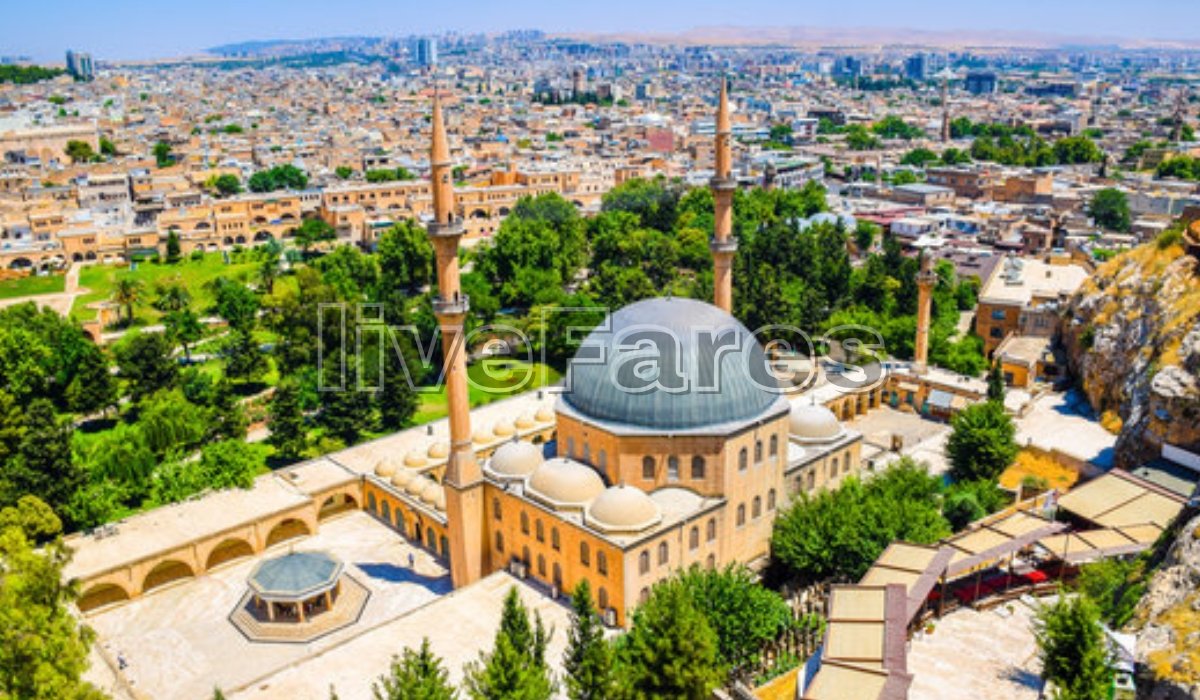
Şanlıurfa, also known simply as Urfa, is a historically and spiritually significant city located in southeastern Turkey. It is often called the “City of Prophets” due to its strong religious associations and deep-rooted place in Islamic tradition. The city holds great importance in the cultural and historical heritage of the region.
The history of Şanlıurfa dates back thousands of years. It is believed to be closely associated with the Prophet Abraham (Ibrahim), and according to tradition, Balıklıgöl (Pool of Sacred Fish) marks the place where he was thrown into the fire by King Nimrod. This site remains one of the city’s most visited and sacred landmarks. Nearby, the ancient archaeological site of Göbekli Tepe, considered the world’s oldest known temple complex, highlights Şanlıurfa’s global historical importance.
Şanlıurfa has been influenced by many civilizations, including the Sumerians, Assyrians, Romans, Byzantines, and Ottomans. Traces of these cultures can be seen in the city’s architecture, mosques, madrasas, and traditional stone houses. The old bazaars and narrow streets reflect its long-standing urban heritage.
The city’s economy is largely based on agriculture, supported by the fertile lands of the Harran Plain. With the development of irrigation projects, especially under the Southeastern Anatolia Project (GAP), Şanlıurfa has become a major producer of cotton, wheat, and other crops. Traditional crafts and local trade also contribute to the economy.
In conclusion, Şanlıurfa is a city where ancient history, religious significance, and cultural traditions come together. Its sacred sites, archaeological importance, and strong cultural identity make it one of Turkey’s most unique and meaningful cities.