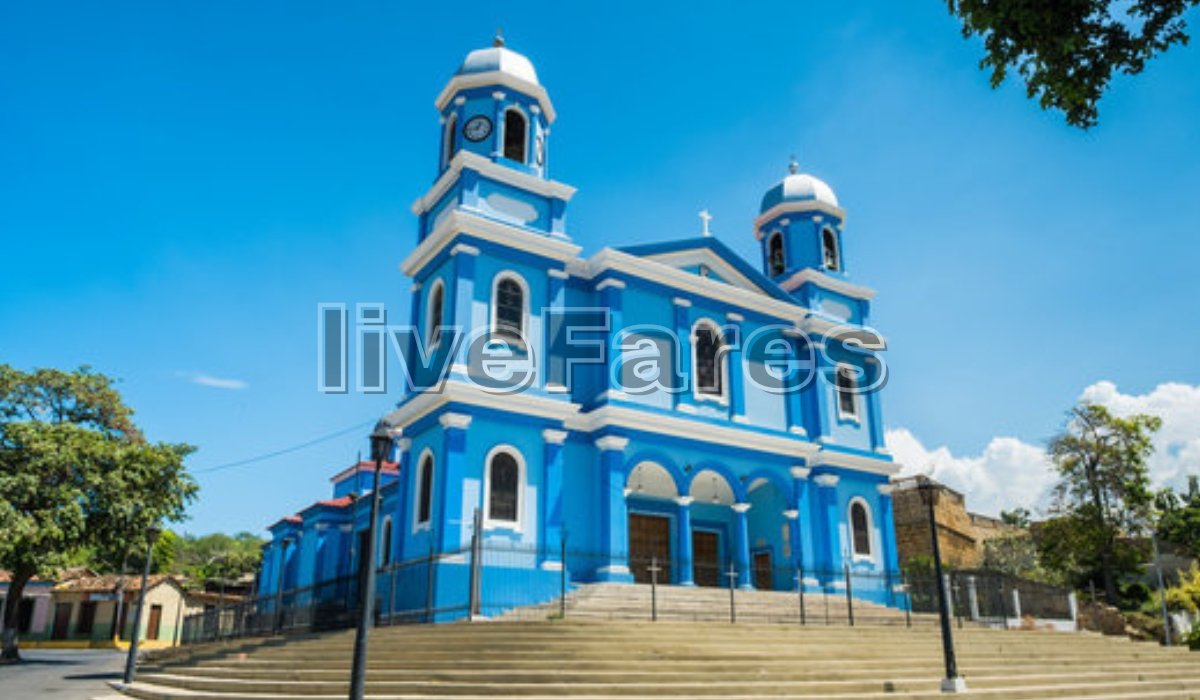
Cumana
Plan Your Trip
About Cumana
Cumaná is a historic city in northeastern Venezuela. It is the capital of Sucre State and is located on the Caribbean coast. Cumaná is one of the oldest continuously inhabited European-founded cities in South America, known for its history, beaches, and cultural heritage.
History
Cumaná was founded in 1515 by Spanish colonists, making it over 500 years old. It played an important role during the colonial era and in Venezuela’s struggle for independence. The city has experienced several earthquakes, which shaped its architecture and urban planning.
Economy
The city’s economy is based on:
-
Fishing and seafood: Being a coastal city, fishing is a major economic activity.
-
Tourism: Beaches, islands, and historical sites attract visitors.
-
Commerce: Markets and shops serve local residents and tourists.
-
Agriculture: Surrounding areas produce cocoa, sugarcane, and tropical fruits.
Culture and Tourism
Cumaná has a rich cultural and historical heritage:
-
Castillo de San Antonio de la Eminencia – A historic fort built during the colonial era.
-
Plaza Francisco de Miranda – The main square, named after the Venezuelan independence hero.
-
Beaches – Nearby beaches like Playa Medina and Playa San Luis attract tourists.
-
Festivals – Local cultural events celebrate music, food, and traditional customs.
Education
Cumaná hosts several educational institutions:
-
Universidad de Oriente – Núcleo Sucre – The main public university.
-
Technical and private schools offering courses in business, arts, and sciences.
Transportation
Cumaná is connected by:
-
Roads linking it to Caracas, Barcelona, and other cities in eastern Venezuela.
-
Antonio José de Sucre Airport – Handles domestic flights.
-
Local buses and taxis provide urban transport within the city.
Climate
Cumaná has a tropical climate, warm year-round.
-
Dry season: December to April
-
Rainy season: May to November
Temperatures usually range between 24°C to 32°C (75°F to 90°F).
Conclusion:
Cumaná is a historic coastal city with a rich blend of culture, history, and natural beauty. Its role in Venezuela’s early colonial history, combined with beaches and local traditions, makes it a significant city in Sucre State and eastern Venezuela.
Location
Guest Reviews
4.8
Excellent · 128 reviews
"Beautiful city with amazing service. The rooms were spacious and clean, and the staff was very helpful."
- Sarah J., March 2023